This question comes up constantly, and the honest answer surprises a lot of people: yes, lifting weights is one of the most effective things you can do for long-term body composition , but not necessarily for the reasons you think.
Why Cardio Alone Often Disappoints
Many people approach fat loss by adding cardio: longer runs, more classes, more time on the bike. This works to a degree, but it has a ceiling. The body adapts to cardio volume efficiently, caloric burn per session decreases over time, and muscle mass , which drives metabolic rate , is often lost in the process.
How Lifting Changes the Equation
Muscle tissue is metabolically expensive. The more of it you have, the more calories your body burns at rest. When you add muscle through consistent strength training, you raise your resting metabolic rate , meaning you burn more calories even when you're not exercising.
This is why many people who start lifting report that their body composition changes noticeably even without changing what they eat. They gain muscle, lose fat, and their clothes fit differently , even if the number on the scale doesn't move dramatically.
Strength Training + Diet: The Real Formula
If weight loss is a goal, the most effective approach combines:
- Consistent strength training (2,4 sessions per week)
- Adequate protein intake (enough to support muscle retention and growth)
- A modest caloric deficit (not aggressive restriction)
This combination preserves muscle while losing fat , which produces dramatically better long-term results than calorie restriction alone.
What Santa Cruz Strength Members Experience
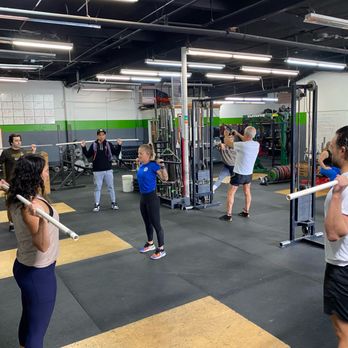
We have members who came in specifically for weight loss and discovered that the scale became far less important once they started getting stronger. Performance goals , lifting more, moving better, having more energy , replaced the single focus on body weight. And ironically, their bodies changed more significantly than they expected.
Strength training doesn't just change how you look. It changes how you live.