If you surf in Santa Cruz, you already understand athletic effort. Early mornings, cold water, and a lineup that demands respect. What you might not realize is that your time in the gym , specifically lifting weights , could be the biggest performance leap available to you right now.
Strength Training and Surfing: The Connection
Surfing is not a low-impact sport. It demands explosive hip extension for pop-ups, rotational power for turns, shoulder stability for paddle-outs, and the core strength to hold position on unpredictable wave faces.
Most surf-specific injuries , rotator cuff issues, lower back pain, knee problems , are rooted in muscular imbalances that strength training directly addresses. When you train compound movements like squats, deadlifts, rows, and overhead pressing, you build the structural resilience that keeps you surfing longer into life.
The Specific Lifts That Carry Over to Surfing
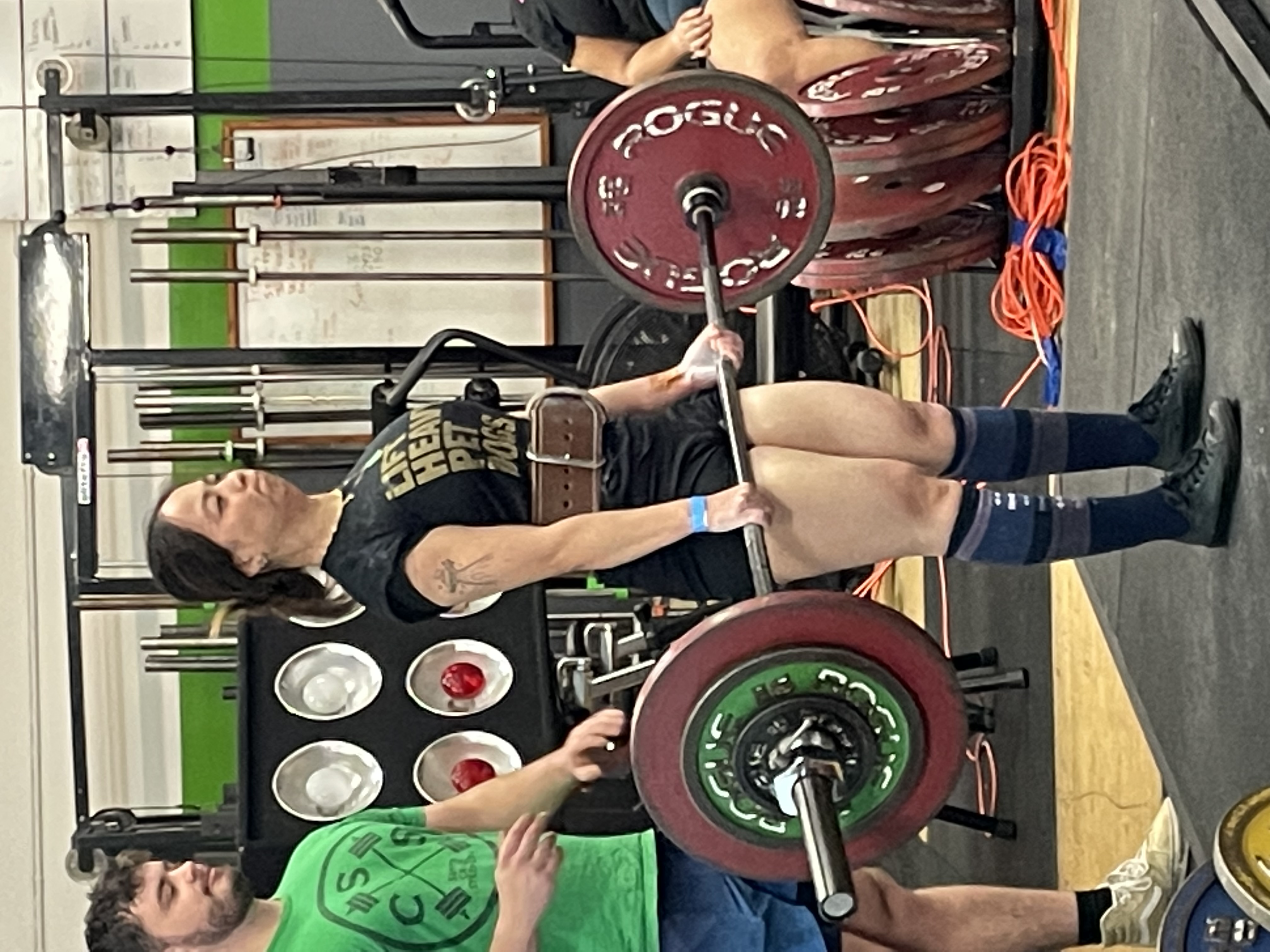
- Deadlifts , Build posterior chain strength (hamstrings, glutes, lower back) that powers your pop-up and keeps your spine stable in the barrel.
- Romanian Deadlifts , Train the hip hinge pattern under load, improving your ability to generate force from the hips on critical turns.
- Barbell Rows , Strengthen the back muscles that do most of the work during paddle sessions. Better paddling equals more waves.
- Front Squats , Develop quad strength and thoracic mobility , both essential for low, powerful stance positions.
- Turkish Get-Ups , One of the best exercises for the total-body stability and shoulder integrity surfers need.
How Often Should Surfers Lift?
Two to three sessions per week is enough to see meaningful results without interfering with your time in the water. The key is consistency and progressive overload , adding small amounts of weight over time as your strength develops.
At Santa Cruz Strength, we work with surfers, climbers, trail runners, and other outdoor athletes who want their gym time to directly support their performance. If you're curious how to structure a program around your surf schedule, come in and talk to a coach.
You Don't Have to Choose Between the Gym and the Water
Strength training isn't a replacement for surfing. It's the foundation that makes everything else better. Local athletes who commit to a year of consistent lifting tell us the same thing: their surfing improved, their injuries decreased, and they feel more capable in every area of life.
That's what strength is for.